AI Video Generation: Sora, Veo, and the Realistic Video Era
Two years ago, AI-generated video looked like fever dreams—surreal, distorted, and obviously artificial. By late 2026, the technology has matured into something genuinely unsettling in its realism. OpenAI's Sora, Google's Veo, Runway's Gen-3, and newcomers like Kling and HaiVideo can produce video clips that are difficult to distinguish from footage captured with professional cameras. This transformation has profound implications for filmmaking, advertising, content creation, and the very concept of visual evidence.
Technical Breakthroughs in 2026
The quality improvements in AI video generation stem from several technical advances that converged in 2025-2026.
Native Resolution and Frame Rates
Early video models generated at low resolutions—often 512x512 pixels or below—with noticeable artifacts and temporal inconsistencies. By 2026, leading models support 4K resolution (3840x2160) at 60 frames per second, matching professional video standards. Generated footage can now seamlessly integrate with real camera footage.
Extended Duration
Original video models produced clips of only a few seconds. Current systems generate clips up to 10 minutes long while maintaining consistency. More importantly, systems like Sora support video-to-video extension—generating additional footage that maintains character consistency, lighting, and scene continuity.
Physics and Object Persistence
The persistent complaint with early AI video was that objects behaved incorrectly—liquids didn't flow properly, objects passed through each other, and characters spontaneously transformed. Improved physics simulation and attention mechanisms now handle these cases reasonably well, though perfect physics remains an open challenge.
Leading Platforms in 2026
| Platform | Developer | Max Resolution | Max Duration | Key Feature |
|---|---|---|---|---|
| Sora | OpenAI | 4K | 10 minutes | Photo realism, scene consistency |
| Veo 2 | 4K | 8 minutes | Cinematic camera controls | |
| Gen-3 Alpha | Runway | 2K | 6 minutes | Style control, motion brush |
| Kling 2.0 | Kuaishou | 4K | 3 minutes | Fast generation, Chinese content |
| HaiVideo | ByteDance | 4K | 10 minutes | TikTok integration, short-form focus |
The Creator Economy Transformation
For independent content creators, AI video generation has been transformative. A solo YouTuber can now produce content that previously required a production crew. Explainer videos, animations, and visual demonstrations that once cost thousands of dollars in animation or stock footage can be generated in minutes.
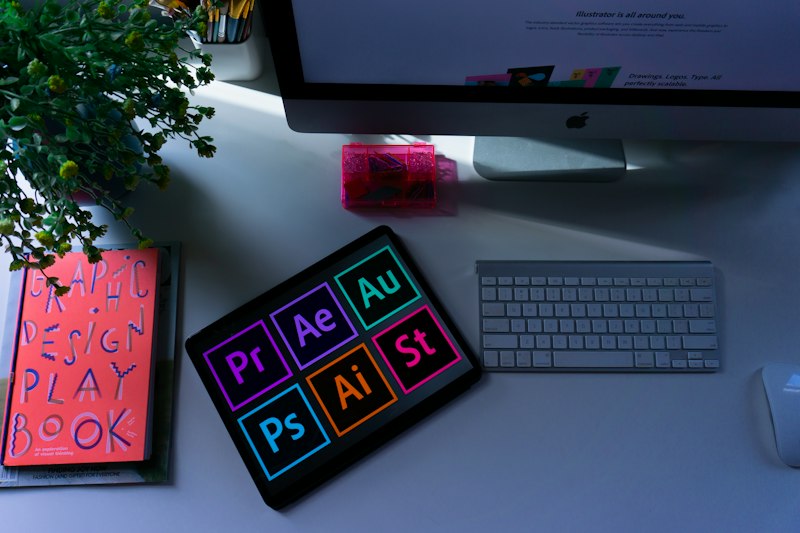
The economics have shifted dramatically. Professional video production costs—actors, locations, equipment, post-production—remain significant. AI-generated video costs pennies per minute by comparison. For content where absolute photorealism isn't required, AI generation has become the default approach.
Professional Filmmaking
The film industry has adopted AI video generation cautiously but increasingly. Pre-visualization—creating rough cuts of sequences before expensive principal photography—has become entirely AI-driven. Directors can visualize complex sequences, test camera movements, and plan shots before a single frame is captured with a camera.
Some productions use AI generation for B-roll footage, establishing shots, and visual effects that would be prohibitively expensive to capture traditionally. Full AI-generated feature films remain rare, but short films and experimental work are becoming common, with several AI-generated shorts winning festival recognition.
# Example: Generating video with Sora API
import openai

client = openai.OpenAI(api_key="your-api-key")

response = client.video.generations.create(
    model="sora-2",
    prompt="A serene lake at sunset, camera slowly rising
            above the water surface, golden hour lighting,
            birds flying in the distance, hyperrealistic",
    duration=10,  # seconds
    resolution="1080p",
    style="cinematic"
)

print(f"Generation ID: {response.id}")
print(f"Status: {response.status}")
The Deepfake Problem
The elephant in the room is authenticity. When any video can be generated, distinguishing real footage from fabrication becomes increasingly difficult. The 2024 election cycle saw widespread AI-generated political deepfakes; by 2026, sophisticated fake videos have become nearly undetectable to casual viewers.
Detection systems have emerged, but they face an uphill battle. As generation quality improves, detection becomes harder. Watermarking standards—embedding invisible signals in AI-generated content—offer a partial solution, but watermarks can be stripped and the standard requires universal adoption that's difficult to enforce.
The implications extend beyond politics. Corporate fraud through fake earnings calls, personal reputation destruction through fabricated scandal footage, and insurance fraud through staged accident videos are all now practical concerns. Legal systems struggle to adapt when "seeing is believing" no longer holds.
Looking Forward
The trajectory of AI video generation shows no signs of slowing. Research directions include:
- Interactive video: Generating responsive video that changes based on viewer input
- 3D consistency: Maintaining coherent 3D geometry across scenes
- Audio synchronization: Generating video that perfectly matches arbitrary audio tracks
- Long-form generation: Extending from clips to full narrative sequences
The question isn't whether AI video will improve—it certainly will. The question is how society will adapt to a world where video evidence no longer guarantees truth. Verification, provenance, and digital literacy become essential skills in an era when fabrication becomes indistinguishable from reality.