AI in Healthcare 2026: Diagnostics, Drug Discovery, and Robot Surgeons
Healthcare has always been a data-intensive industry. Doctors interpret symptoms, read scans, and analyze lab results to identify diseases. This pattern recognition work—once requiring years of training and accumulated experience—is precisely what modern AI systems excel at. By 2026, AI has moved from experimental to essential across healthcare, with diagnostic AI detecting cancers earlier than human radiologists, drug discovery timelines compressed from years to months, and surgical robots performing procedures with superhuman precision.
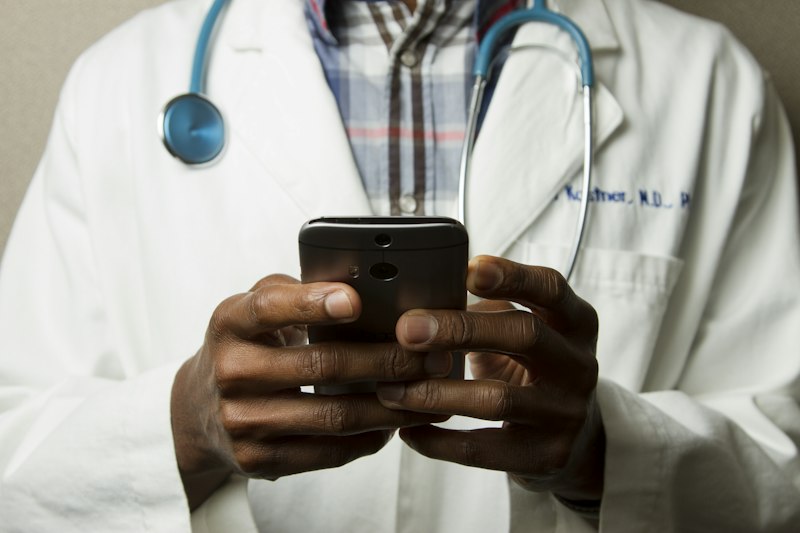
Diagnostic AI: Seeing What Humans Miss
Medical imaging analysis represents one of AI's clearest healthcare successes. Trained on millions of labeled images, AI systems can identify patterns associated with disease—subtle shadows in mammograms that indicate early-stage breast cancer, micro-calcifications in chest X-rays suggesting lung malignancy, retinal changes indicating diabetic retinopathy.
FDA-Approved AI Systems
The FDA has approved over 700 AI-enabled medical devices as of 2026, a dramatic increase from fewer than 50 in 2020. These span radiology, pathology, cardiology, ophthalmology, and dermatology. The approval pace has accelerated—AI diagnostic tools that would have required multi-year review a decade ago now receive authorization within months of submission.
| AI System | Application | Accuracy vs Human | FDA Status |
|---|---|---|---|
| PathAI PathAssist | Cancer pathology | 94% vs 90% | Cleared 2024 |
| Lunit INSIGHT | Mammography | 96% sensitivity | Cleared 2025 |
| IDx-DR | Diabetic retinopathy | Primary care level | Cleared 2018 |
| Aidoc | CT analysis | Triaging support | Cleared 2023 |
The Radiologist Augmentation Model
The goal isn't to replace radiologists but to augment them. AI systems now serve as second readers, flagging suspicious findings that human reviewers might miss—particularly in high-volume screening contexts where fatigue can affect performance. Studies show that AI augmentation reduces false negatives by 30-50% while cutting reading time by 25%.
Drug Discovery: From Years to Months
Traditional drug development follows a brutal timeline: 10-15 years from initial discovery to FDA approval, with failure rates exceeding 90%. AI is compressing this timeline and improving success rates by accelerating the earliest, most expensive stages of discovery.
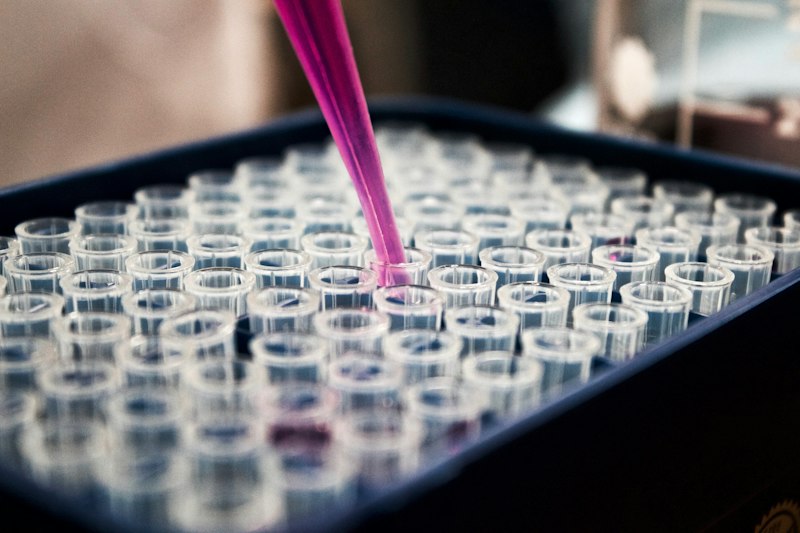
AlphaFold and Protein Structure Prediction
DeepMind's AlphaFold, now in its third generation, has solved what was called "biology's grand challenge"—predicting protein structure from amino acid sequence. This breakthrough, first demonstrated in 2020 and refined continuously since, enables researchers to understand how proteins function and how drugs might interact with them. What once required years of crystallography can now be computed in hours.
# Example: Using AlphaFold for protein structure prediction
from alphafold import AlphaFold

# Initialize model
model = AlphaFold(model_type="alphafold3")

# Predict structure for a target protein
sequence = "MKTAYIAKQRQISFVKSHFSRQLEERLGLIEVQAPILSRVGDGTQDNLSGAEKAVQVKVKALPDAQFEVVHSLAKWKRQTLGQHDFSAGEGLYTHMKALRPDEDRLSPLHSVYVDQWDWERVMGDGERQFSTLKSTVEAIWAGIKATEAAVSEEFGLAPFLPDQIHFVHSQELLSRYPDLDAKGRERAIAKDLGAVFLVGIGGKLSDGHRHDVRAPDYDDWSTPSELGHAGLNGDILVWNPVLEDAFELSSMGIRVDADTLKHQLALTGDEDRLELEWHQALLRGEMPQTIGGGIGQSRLTMLLLQLPHIGQVQAGVWPAAVRESVPSLL"

structure = model.predict_structure(sequence)
print(f"Predicted structure saved to: {structure.output_file}")

# Analyze binding sites
binding_sites = structure.find_drug_binding_sites()
print(f"Potential binding sites: {len(binding_sites)}")
Generative Chemistry
Modern drug discovery AI doesn't just analyze existing molecules—it generates novel compounds with specific properties. Systems like Relay Therapeutics'生成式化学平台 can design molecules optimized for binding affinity, solubility, and synthesizability. This generative capability dramatically expands the chemical space researchers can explore.
Surgical Robots: Precision Beyond Human Capability
Robotic surgery isn't new—Intuitive Surgical's Da Vinci system has been performing procedures since 2000. But AI-enhanced surgical robots in 2026 offer capabilities that would have seemed like science fiction a decade ago.
Autonomous Surgical Tasks
While fully autonomous surgery remains years away, specific subtasks have achieved autonomy. SmartTissue robots can autonomously suture tissue, maintaining consistent stitch spacing and tension that exceeds human average. These systems handle routine portions of procedures, freeing surgeons to focus on complex decision-making.
Enhanced Visualization
Modern surgical robots incorporate real-time AI analysis of camera feeds. Systems can highlight nerve tissue that might appear similar to surrounding tissue to the unaided eye, identify critical blood vessels before they're at risk, and detect tissue anomalies invisible to conventional imaging.
Challenges and Concerns
Despite remarkable progress, significant challenges remain:
- Data quality: AI systems require massive amounts of high-quality labeled data—data that reflects real clinical diversity including edge cases and underrepresented populations.
- Bias and fairness: Models trained primarily on data from academic medical centers may perform poorly on patients from different demographics or with different comorbidities.
- Liability: When AI systems err, determining responsibility—between the technology developer, the healthcare provider, and the institution—remains legally unclear.
- Integration: Hospitals run legacy systems that don't easily communicate. AI tools that work in isolation face adoption barriers in real clinical environments.
The Path Forward
The trajectory is clear: AI will play an increasing role in healthcare delivery. The question isn't whether AI will transform medicine, but how quickly and equitably that transformation will occur. Regulatory frameworks are adapting to the pace of AI development. Clinical validation standards are evolving. And medical education increasingly includes AI literacy as a core competency.
For patients, the benefits are tangible: earlier diagnosis, more effective treatments, reduced medical errors, and lower costs. For healthcare systems, AI offers a path to address physician shortages while expanding access to high-quality care. The healthcare AI revolution is not coming—it has arrived.